A better room starts before the first coat.
Interior painting involves more than choosing a color. Existing sheen, patches, surface texture and the way light moves through a room can affect the finished appearance. Identify the walls, ceilings, doors or trim you want included so the estimate addresses the entire surface instead of leaving assumptions about the edges and details.
An occupied home or business also needs a practical access plan. Note large furniture, items that cannot be moved easily, rooms that must remain usable and any work-from-home or business-hour restrictions. For damaged drywall or visible repairs, ask how that preparation relates to the painting scope. For cabinets, use the separate cabinet painting guide to discuss doors, hardware and detailed finishes.
What to discuss in your estimate
- Walls and ceilings
- Trim, doors and detailed paintwork
- Room refreshes and repainting
- Painting coordinated with drywall repairs
Before you request an estimate
- Make a room-by-room list, including ceilings and trim where needed.
- Point out patched areas, stains and changes in texture.
- Identify furniture and rooms that need to remain accessible.
Clarify the details before work starts
Ask which surfaces, preparation, materials and finish items are included. Discuss access, protection of adjoining areas, cleanup and timing as part of the written scope for your property.
Details from the project gallery
Explore existing project examples and open a gallery item to see the detail. Photos are shown with their original project descriptions.
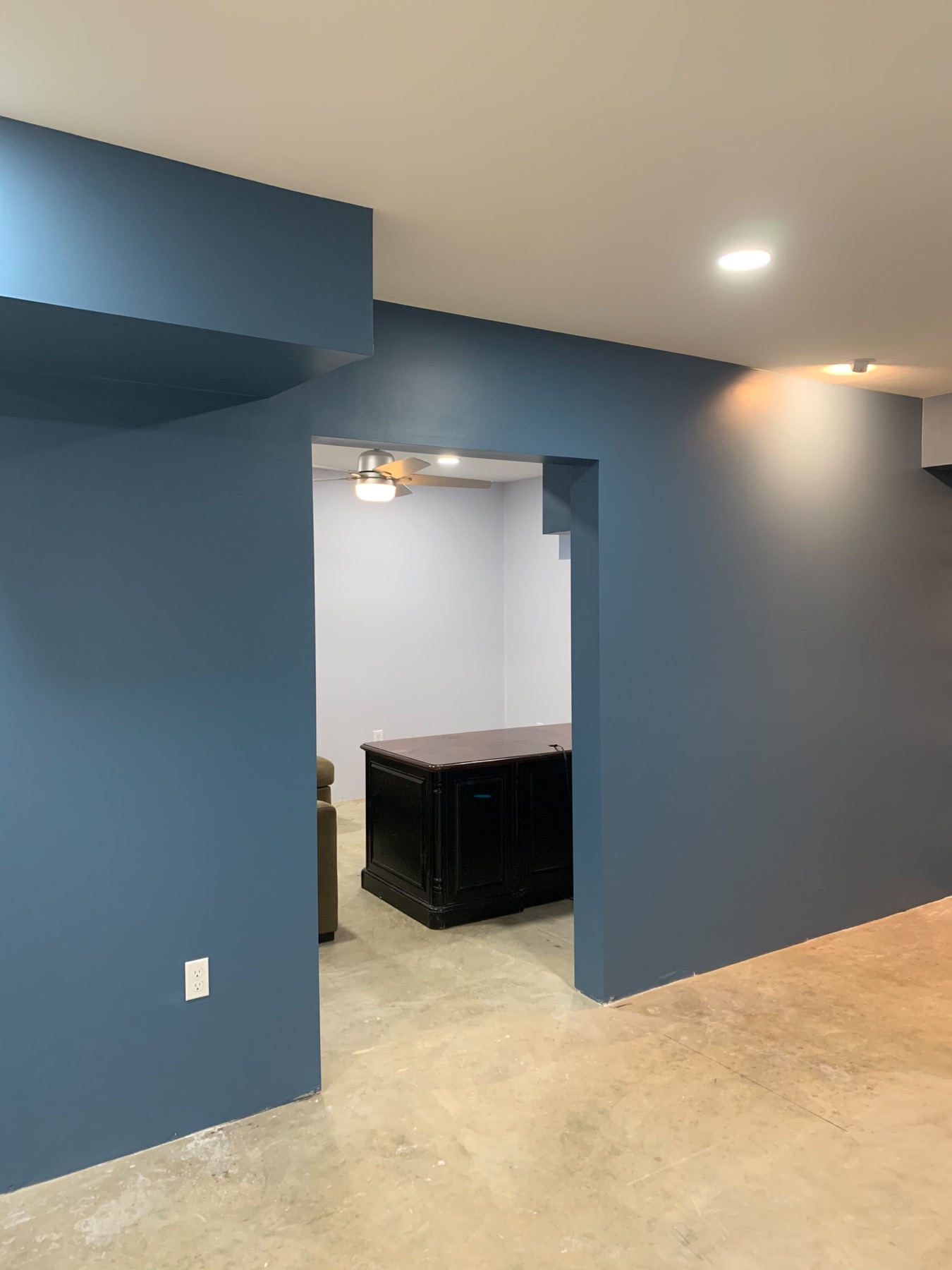 Open gallery detail →
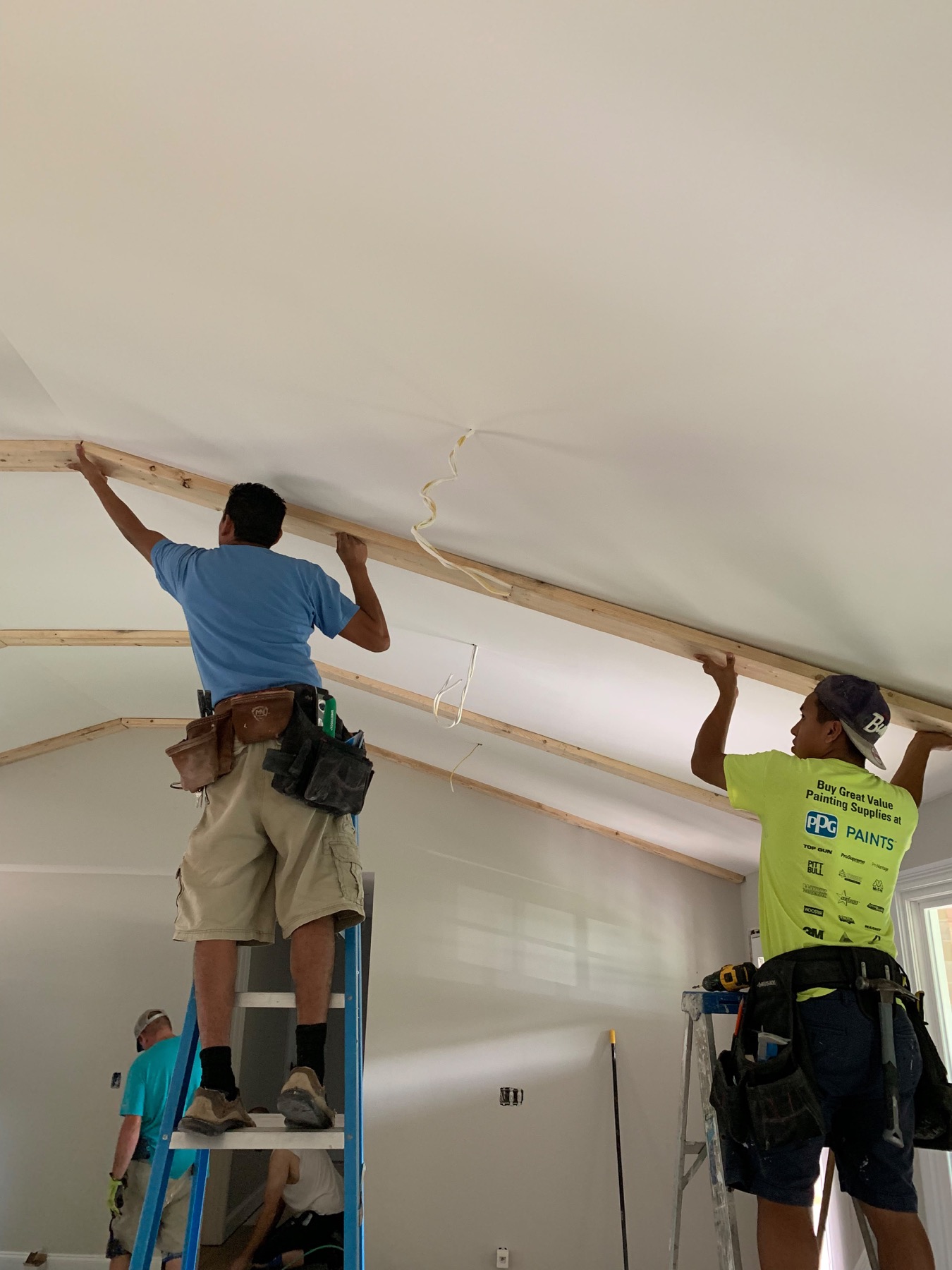 Open gallery detail →
Questions before you start
Should drywall repairs be mentioned when I request painting?
Yes. Describe holes, cracks and previous patches when you request an estimate. Star Quality offers drywall work as well as painting; ask which preparation and finishing steps are included in your specific scope.
Can I request only a few rooms?
Describe the rooms and surfaces you want to change, even if the rest of the property is staying as it is. Project size, surface condition and access all help define a property-specific estimate.