Consider the surface and the surrounding details.
A siding project begins with the material and condition at the property. Identify areas you want changed, visible damage and any previous repairs. Note the relationship to windows, doors, trim and outdoor structures. That information helps distinguish the siding work itself from adjacent repairs, carpentry or painting that may also need to be included.
Ask how materials, transitions and the final appearance will be addressed in the estimate. If you are considering painting at the same time, discuss which surfaces are paintable and which finishes will remain unchanged. The gallery provides exterior examples to help explain the look you want, but material selection and scope should be based on your own property rather than a photo alone.
What to discuss in your estimate
- Hardie, vinyl and shake siding
- Exterior siding installation and improvements
- Trim and adjoining-surface coordination
- Related exterior painting discussions
Before you request an estimate
- Identify the existing siding material and areas of concern.
- Mention nearby trim, doors and exterior structures.
- Describe the look you want and any related painting needs.
Clarify the details before work starts
Ask which surfaces, preparation, materials and finish items are included. Discuss access, protection of adjoining areas, cleanup and timing as part of the written scope for your property.
Details from the project gallery
Explore existing project examples and open a gallery item to see the detail. Photos are shown with their original project descriptions.
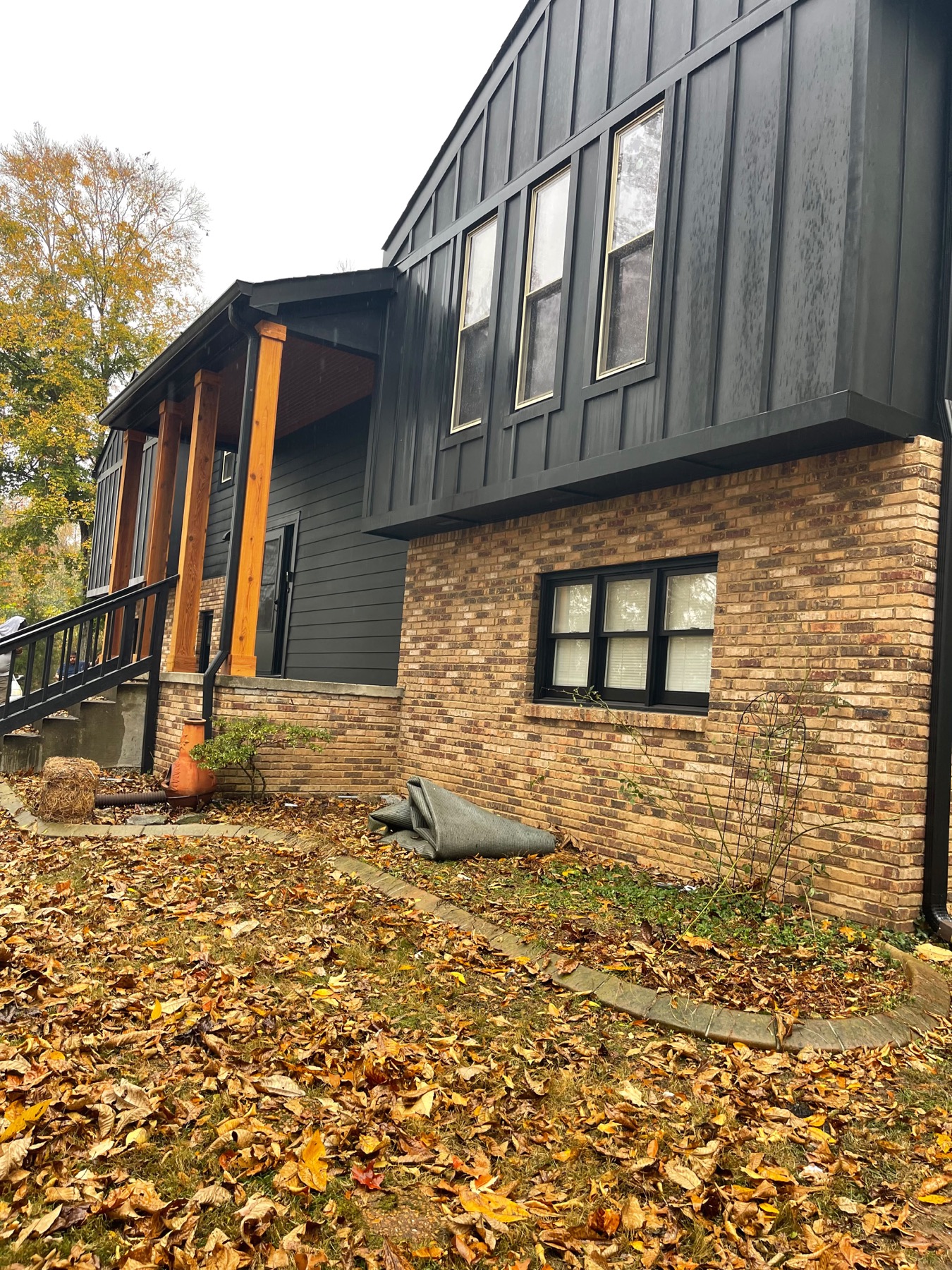 Open gallery detail →
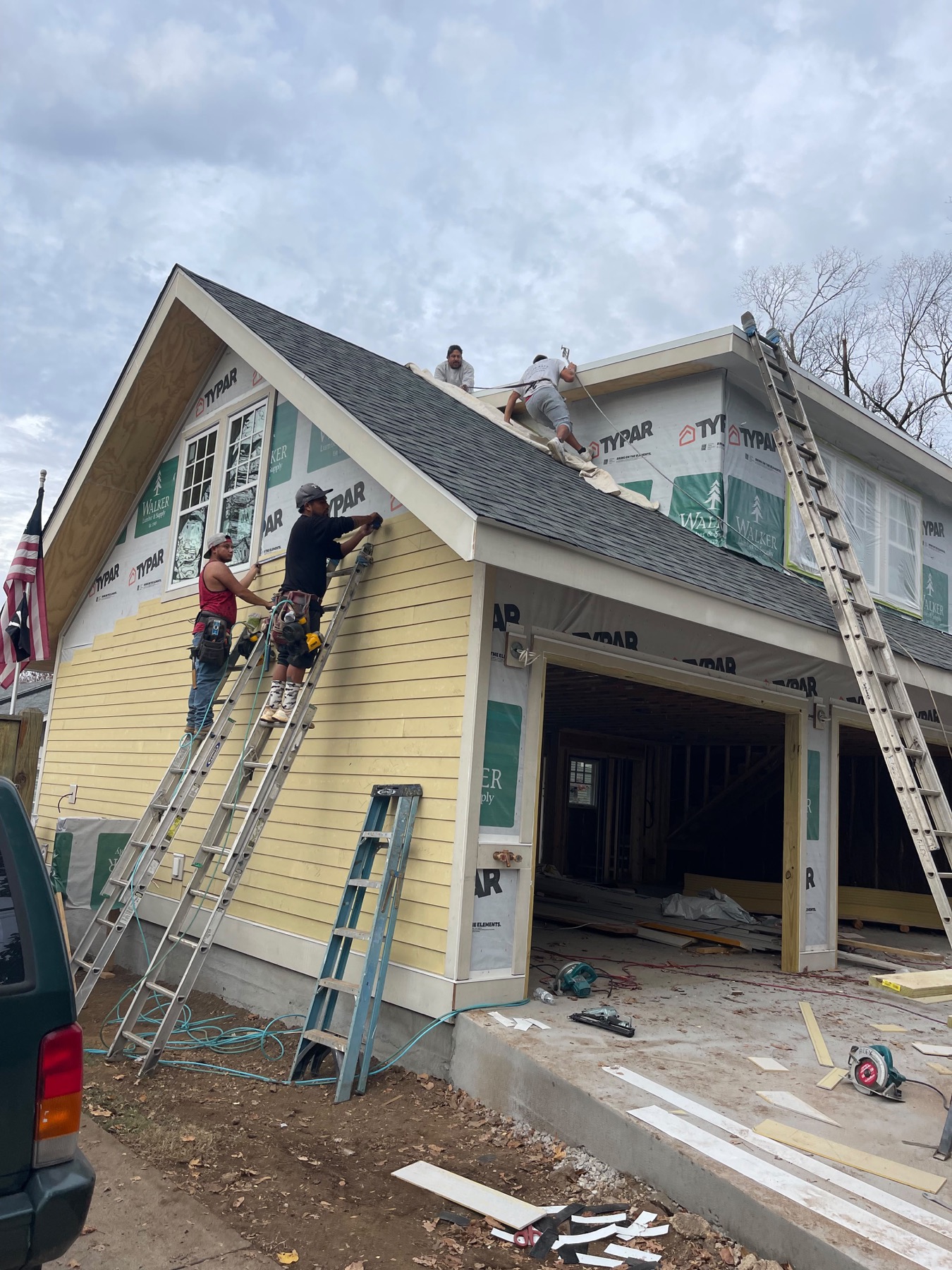 Open gallery detail →
Questions before you start
Can siding and exterior painting be planned together?
Yes. Describe both projects so the materials, adjacent surfaces and sequence can be discussed. Confirm which painting and finish items are included in the final scope.
Should I identify damage before requesting siding work?
Yes. Point out visible damage or prior repairs and ask what evaluation or preparation is needed. The appearance of a surface alone does not establish the condition behind it.